
Seals machined to the groove you actually have.
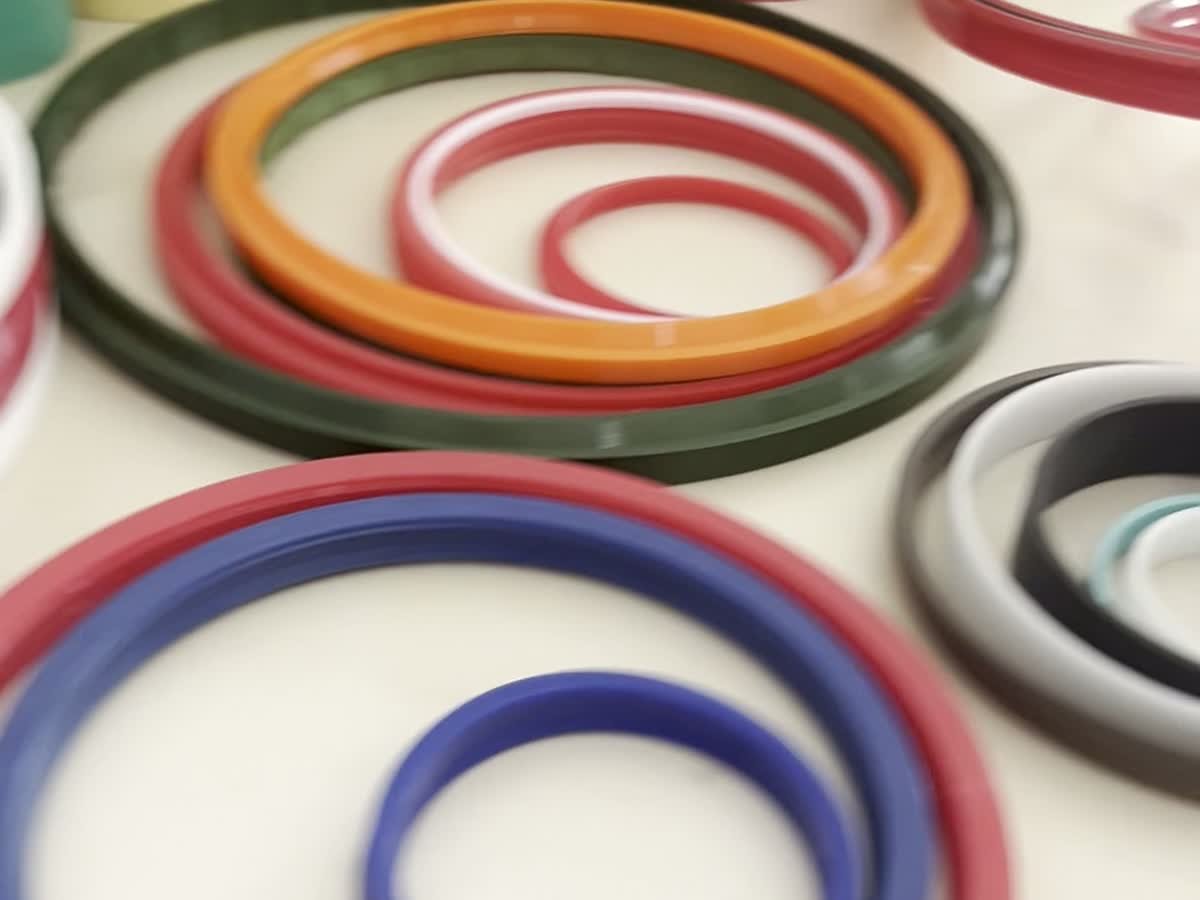
Wipers, rod seals, piston seals, guide rings, backup rings and rotary seals — six profile families, more than 160 catalogued variants, in polyurethane, NBR, HNBR, FKM, EPDM, filled PTFE and POM. Send a profile code or a drawing; we quote compound, size and price from the real groove.
Reply within one working day · English / 中文 · WhatsApp direct
Six profile families, one catalogue.
Wipers (DA), rod seals (DS), piston seals (DK), guide rings (DF), backup rings (DST) and rotary seals (DR). Every code listed is a real catalogue profile — open a family for its grooves, its materials and the dimensions to measure before ordering.
Nine PU grades, five rubbers, four PTFEs.
Most sealing failures are a material decision before they are a geometry decision. LINGGETHANE covers polyurethane from −55 °C to +110 °C, LINGGERUBBER runs from NBR to FKM at +210 °C, LINGGEFLON covers filled PTFE to +260 °C. Every grade below is what our catalogue prints — and we will say when the cheaper one is enough.
From drawing to shipment, four steps.
No account setup, no minimum platform order, no catalogue page to fit your cylinder into. The groove dimensions are the starting point.
Drawing or sample
A PDF, DWG, a phone photo with a caliper in frame, or the worn part itself. Groove width, depth and bore matter more than the part number on the box.
Profile and compound
We propose section, filler grade and tolerance, and we flag anything that will not survive your pressure, speed or temperature before you pay for tooling.
Sample, then batch
One or a few pieces first, measured and photographed before dispatch. Production follows your approval, not ours.
Batch and documents
Dimensional report and material batch certificate travel with the carton. Part code and drawing revision are printed on every bag.
What is in the box.
Dimensional report
Outer diameter, inner diameter, section height and concentricity, measured on the parts that ship — not on a sample from the first run.
Material batch certificate
Compound grade and batch number traced back to the sheet or rod supplier, matched to the lot in your carton.
Photographs before packing
The finished lot photographed on the bench, with the caliper reading visible, sent to you before the carton is closed.
Marked packaging
Part code, size, compound and drawing revision on each bag; carton label repeats the drawing reference.
If a dimension is out, you hear it from us before the carton is taped — not after it lands at your dock.
Send a drawing. Get a number.
Use the form, or message WhatsApp with a photo of the groove and a caliper reading. A quotation states size, compound, tolerance, MOQ and lead time — no “contact us for price”.
Catalogue
Six families of machined sealing parts. Filter by compound, or open a sheet for profile, typical range and what to measure before ordering.
Rod seals, straight off the bench
A short clip filmed on the bench: rod seals off the current stock, turned over by hand so you can see the lip, the groove and the outside diameter. Shot as it is, no voice-over.
Groove tolerance, surface finish, material.
The numbers a buyer usually has to ask for by e-mail: what we hold in the groove, what roughness the sealing face needs, and which compound we would pick. They come from the same catalogue we print.
Width tolerance and joint gap are per profile; these figures are the catalogue defaults. Tighter limits are quoted only when they stand on your drawing.
What we do not claim
- —We are not the original manufacturer of any branded part number you send us.
- —Matched profiles are our own geometry, quoted as an equivalent — never sold as a branded original.
- —No certificate is issued for a material we did not buy through a traceable batch.
Packed to survive a freight forwarder.
Individual bag
Each ring in a poly bag with part code, size and compound; large diameters on edge, not stacked flat.
Carton with drawing ref
Double-wall carton, foam or honeycomb separators for thin sections, label repeating the drawing revision.
Pallet and export marks
Fumigation-free pallet, shipping marks as you specify, photos of the packed pallet before pickup.
Where the rings are turned.
Shot on the floor in Jingxian, Hebei — CNC turning, finished composite seals laid out for packing, and the stock behind them. The machines belong to the partner shop that cuts LINGGE parts; the drawing checks, quotation and export paperwork are ours.
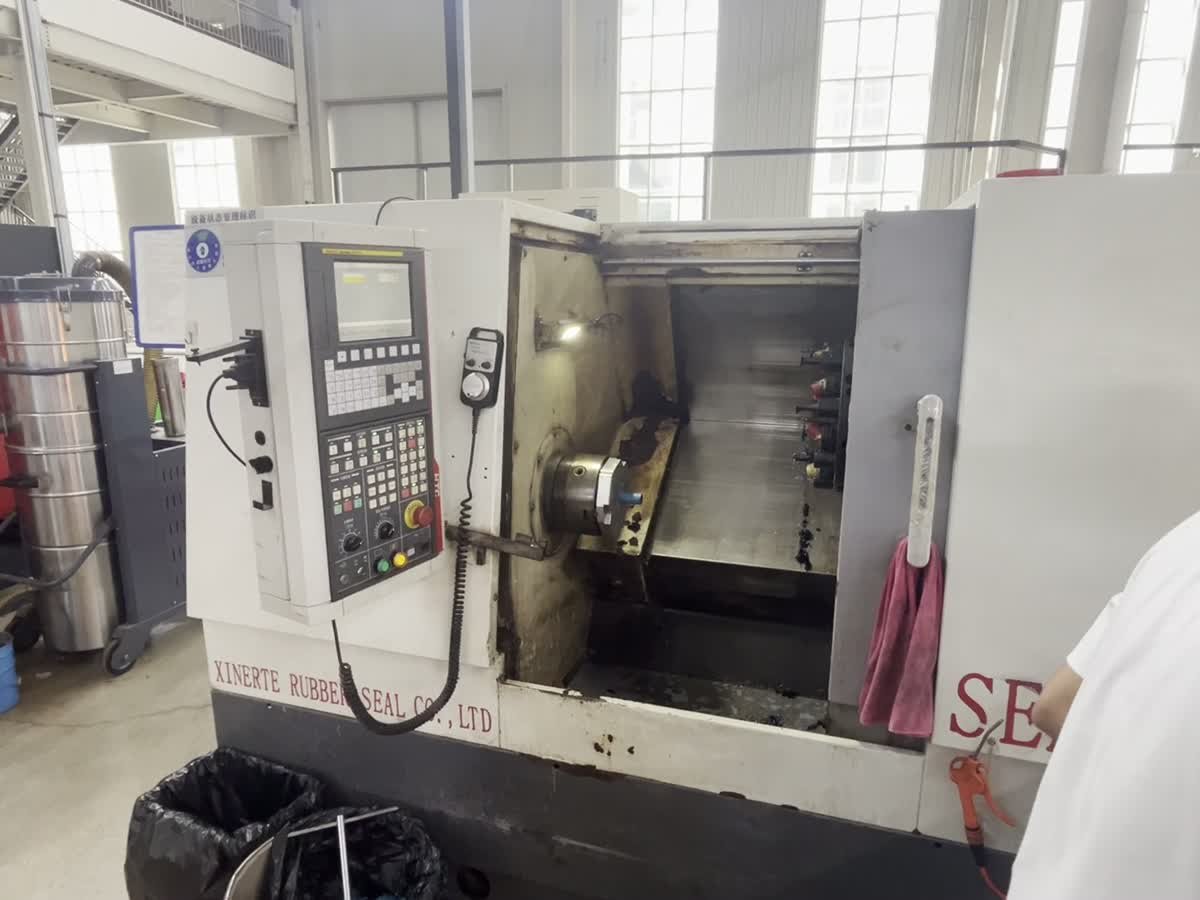
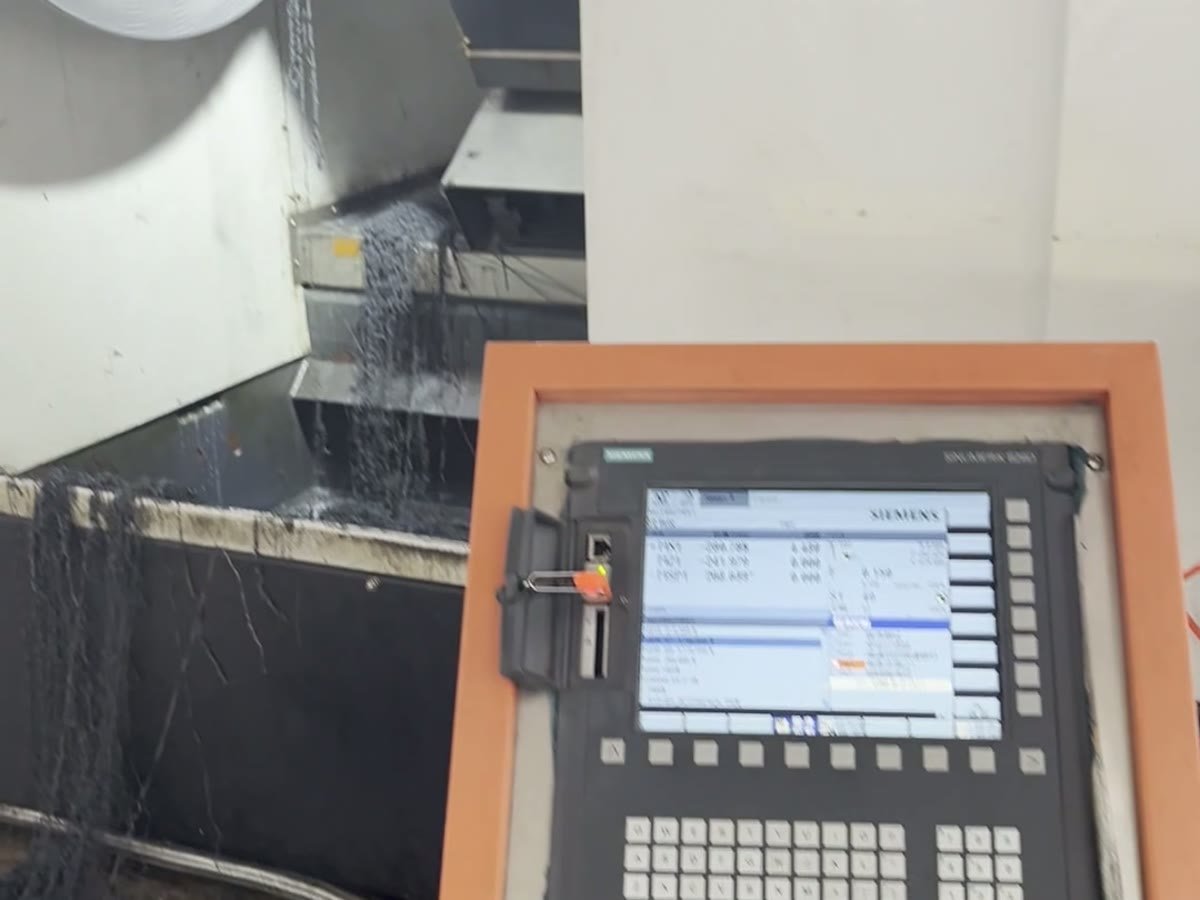
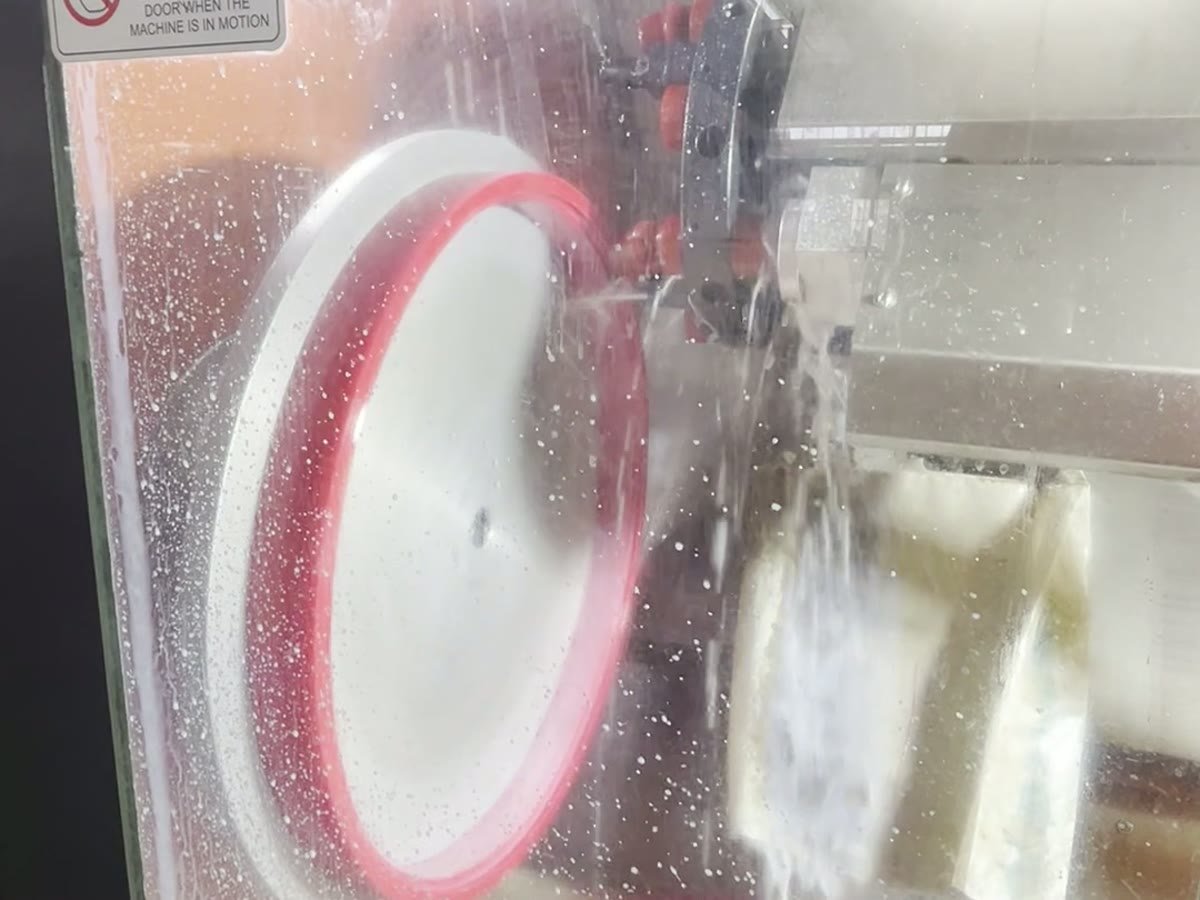
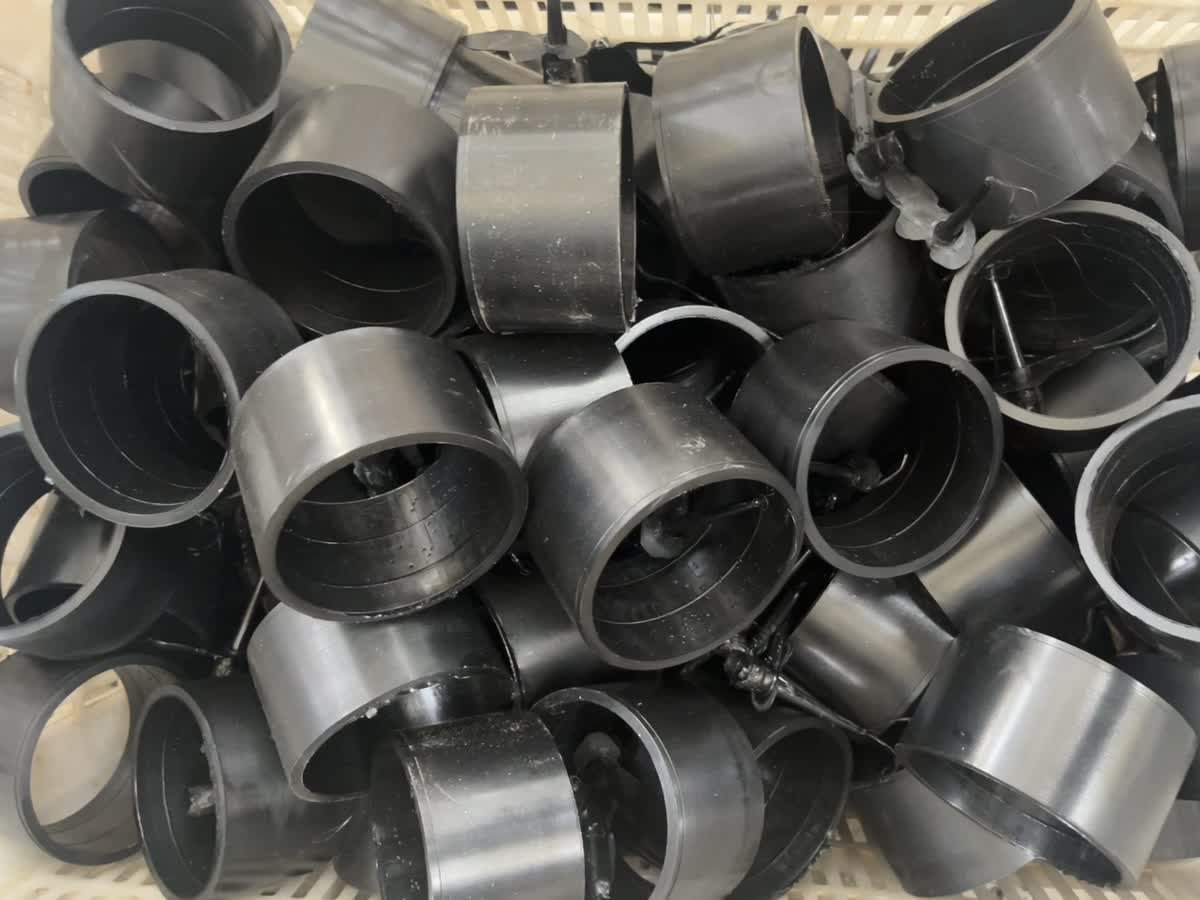
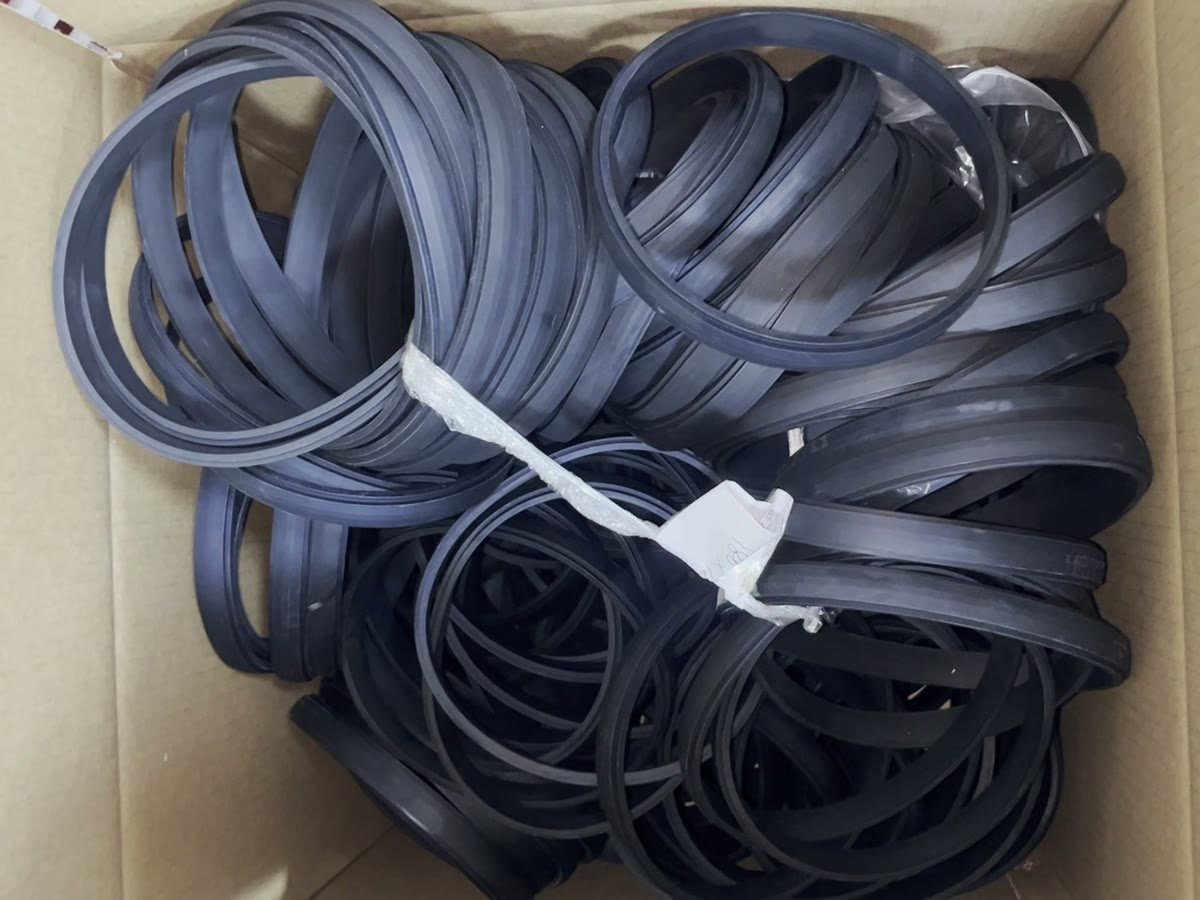
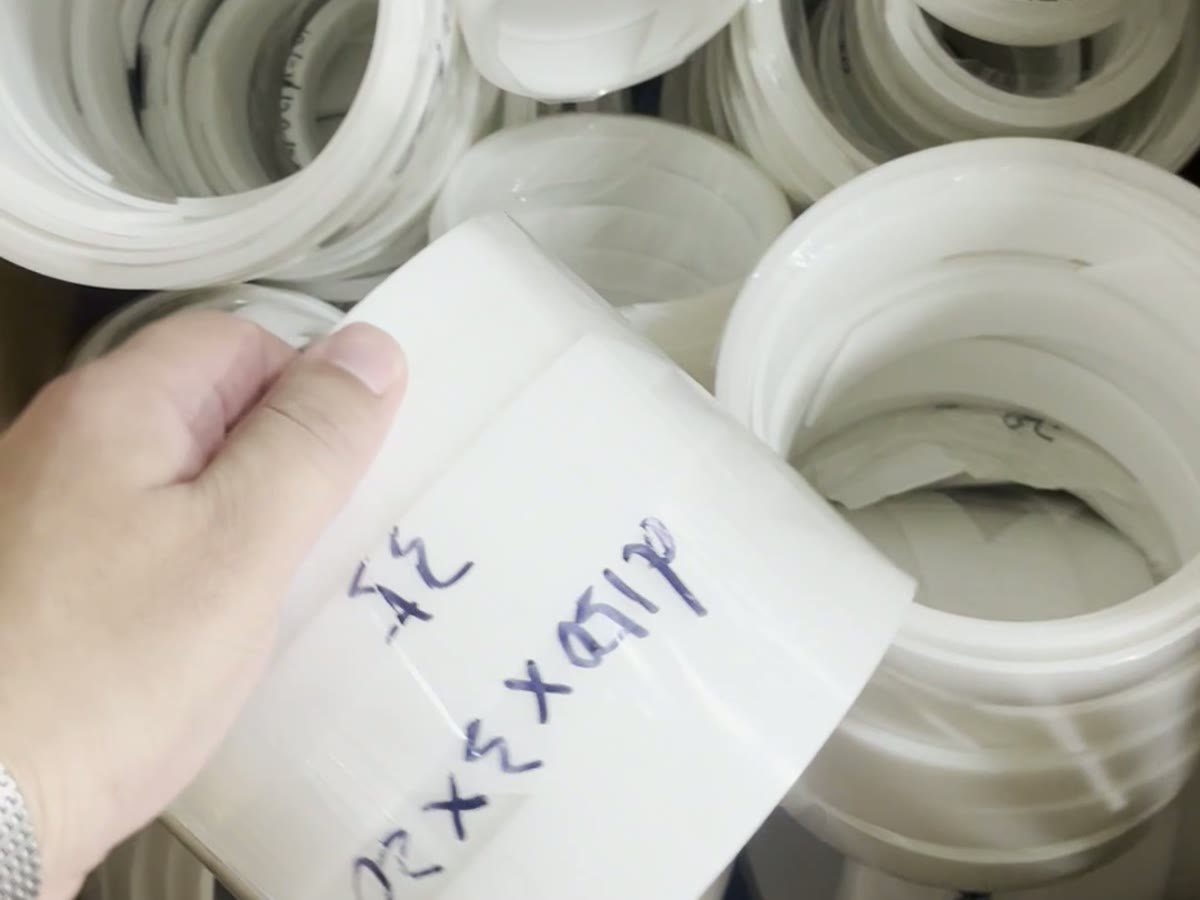
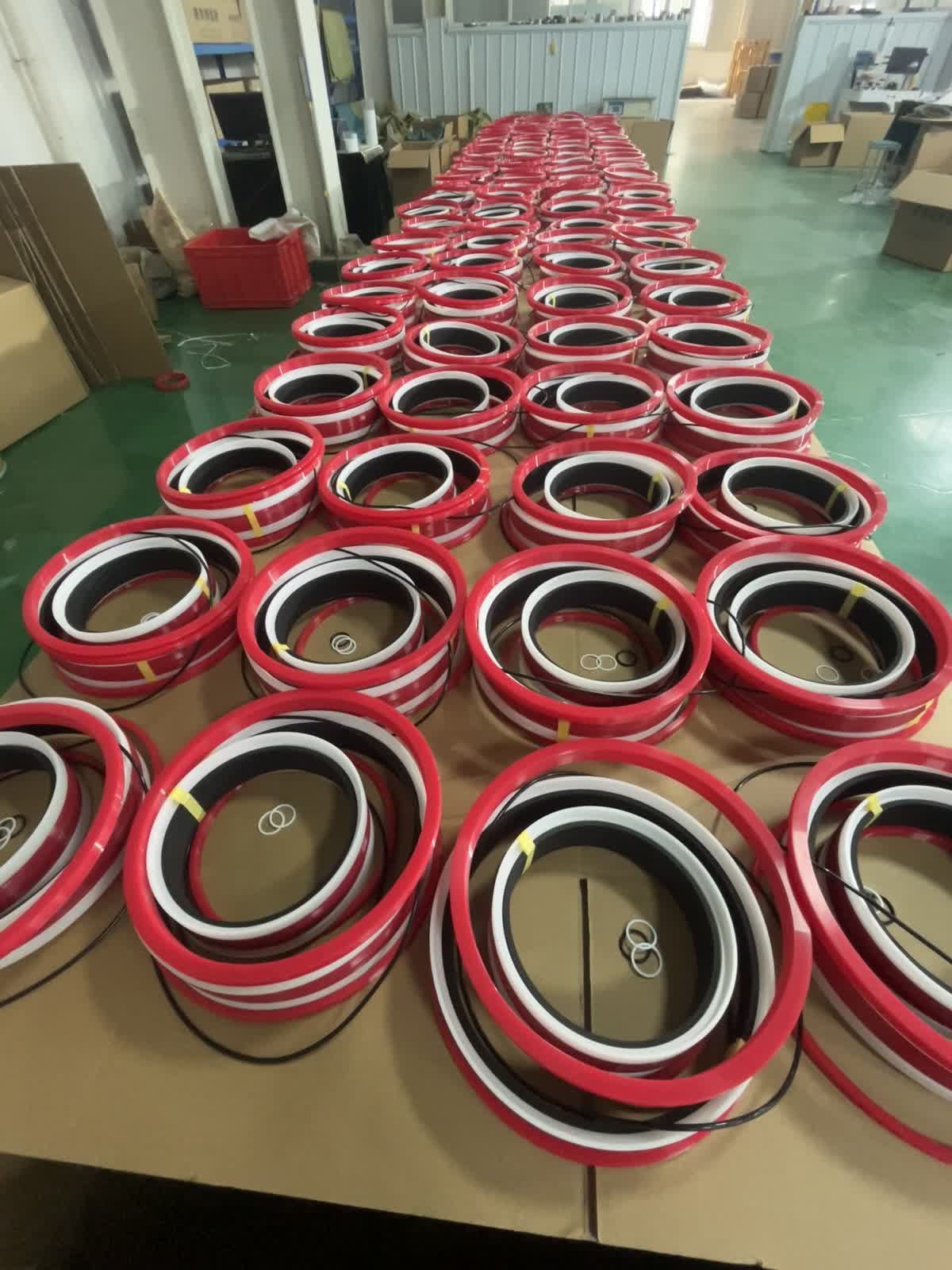
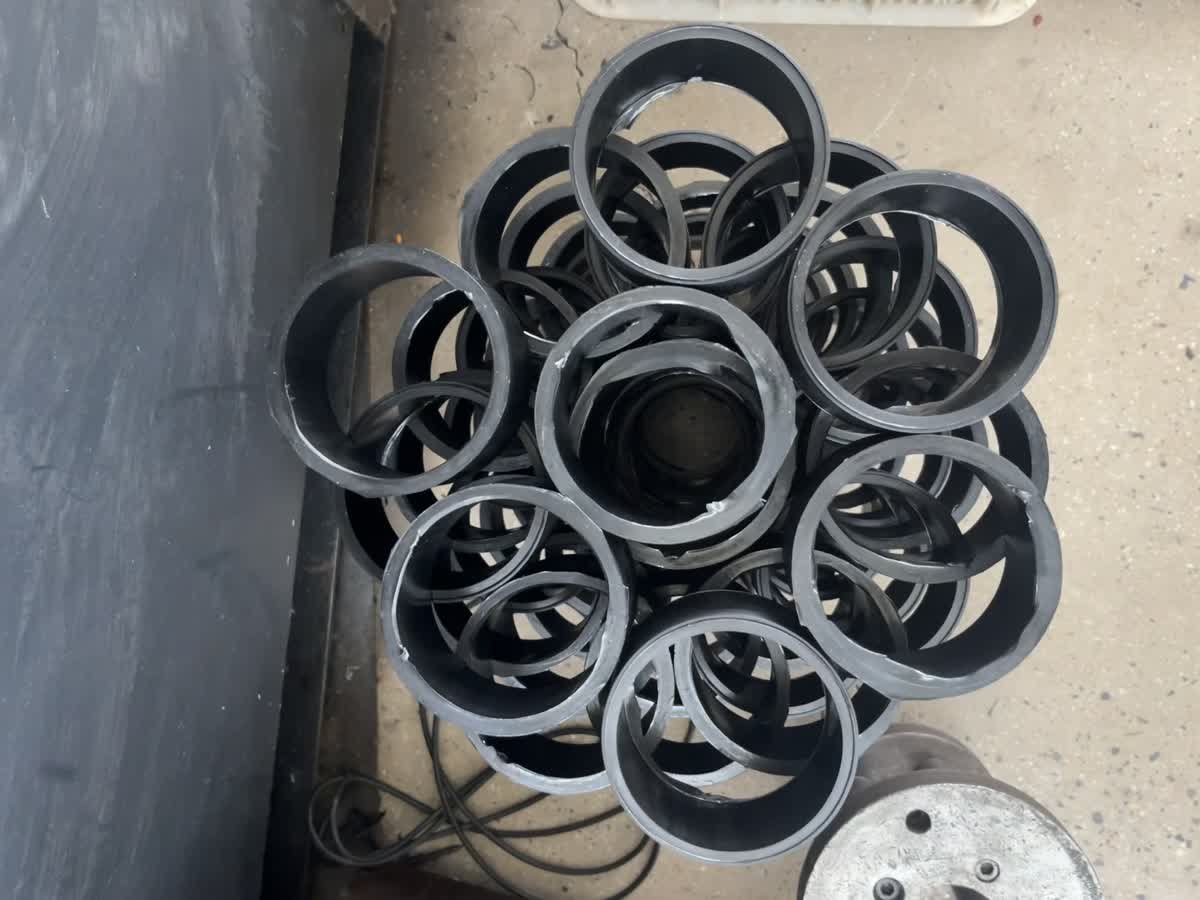
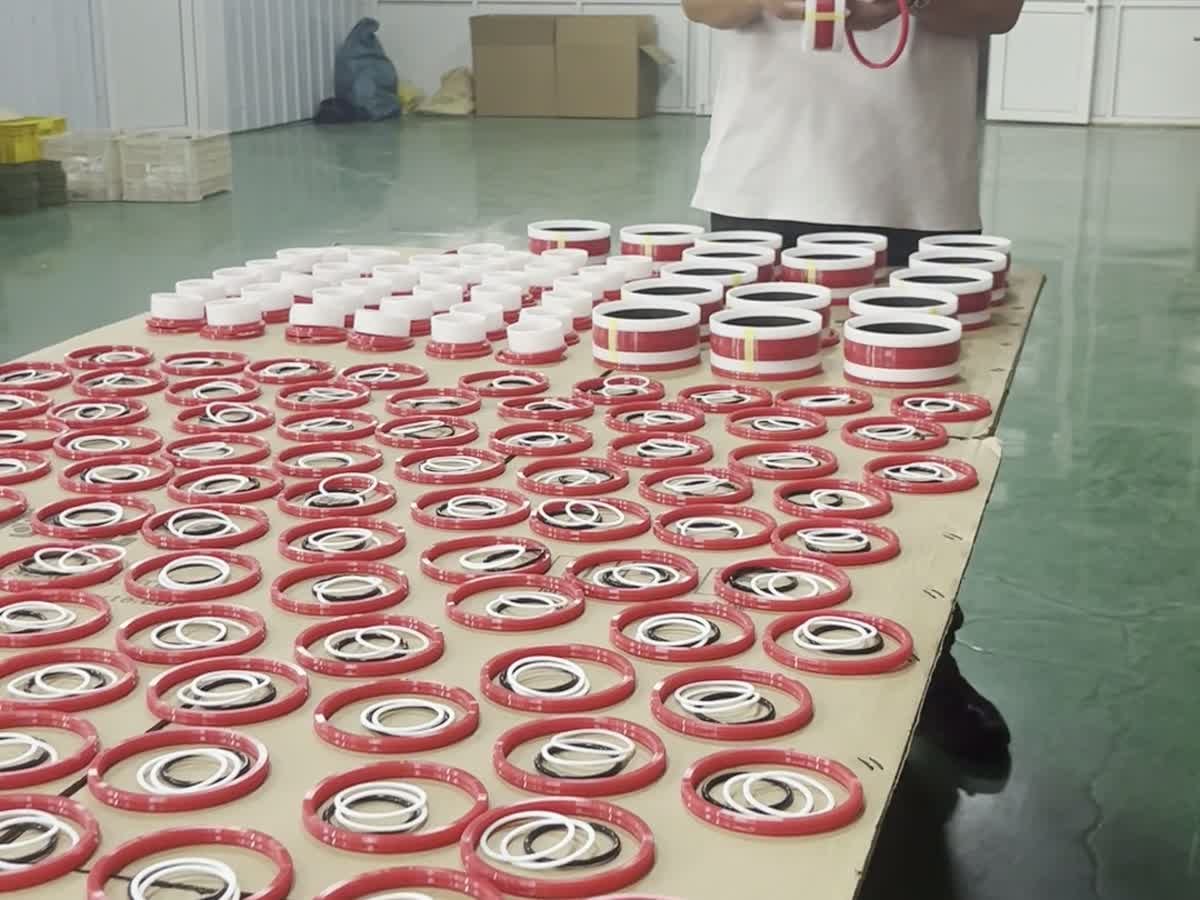
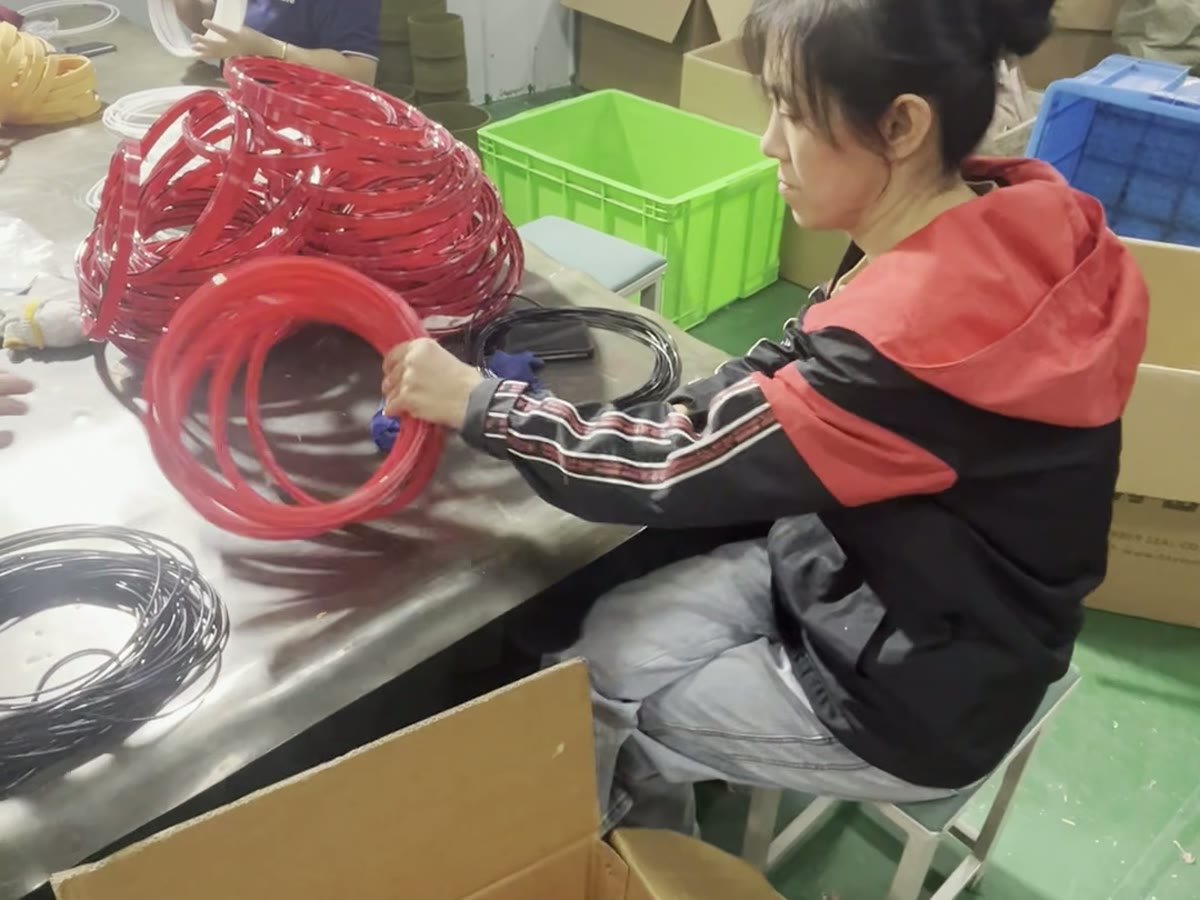
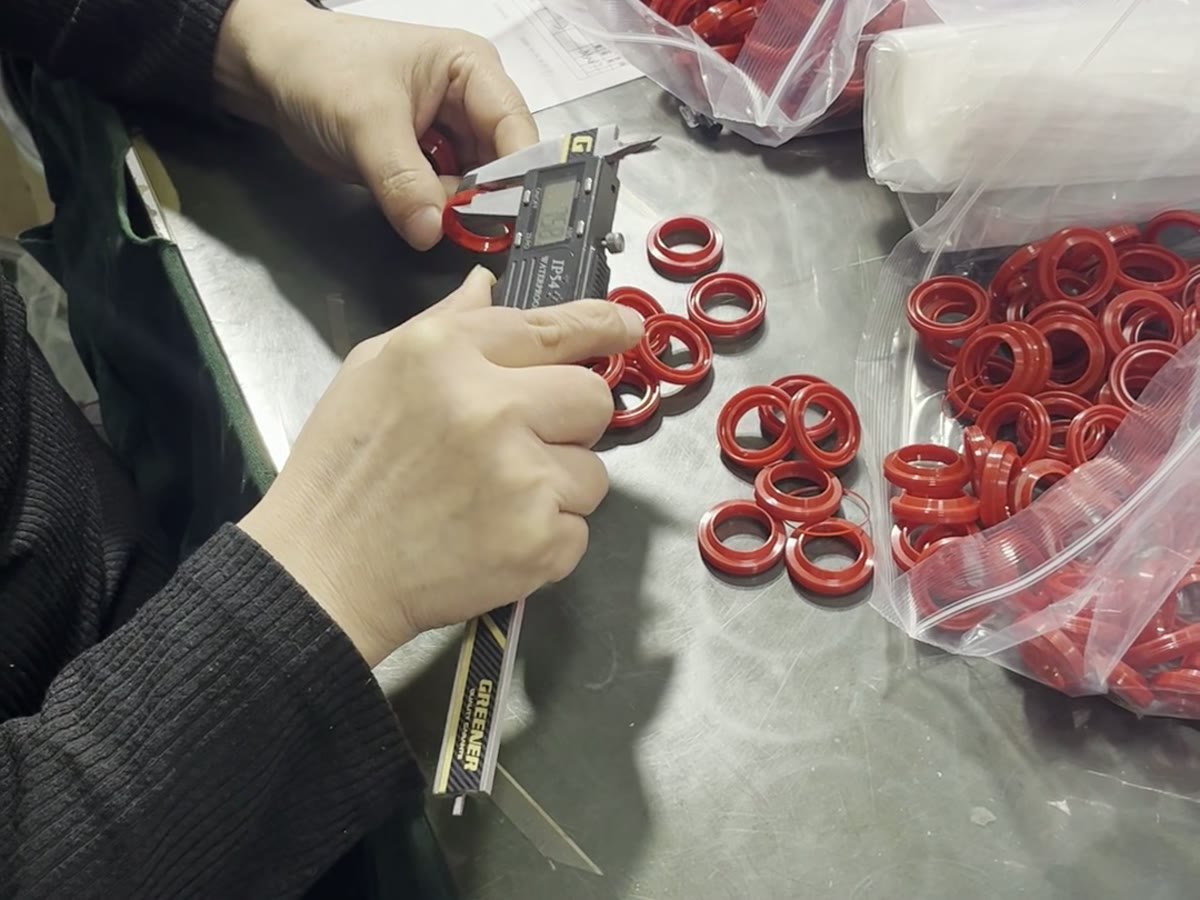
Left: a red PU ring turned and trimmed, straight off the machine window. Right: finished rings counted into the export carton. No voice-over, no editing.
Send the dimensions. We will send a number.
Fill what you know. If a field is unknown, write “measure” and we will tell you which dimensions to take from the groove.
Before you write.
Both. A dimensioned drawing is fastest; a worn part plus the groove measurements is enough to start. Photographs help, but a caliper reading beats a photo.
Send the number and the groove dimensions. We quote our own profile as an equivalent and say clearly where it differs. We do not sell branded originals or label our parts with someone else’s number.
It depends on diameter and compound, and it is stated in the quotation. Trial lots of a few pieces are normal for a first order.
Quoted per order and per size. Sample pieces move faster than production batches, and large-diameter rings are scheduled around material availability.
EXW, FOB and CIF are quoted; payment terms are confirmed in writing with the order. Export documents are prepared for the destination you name.